
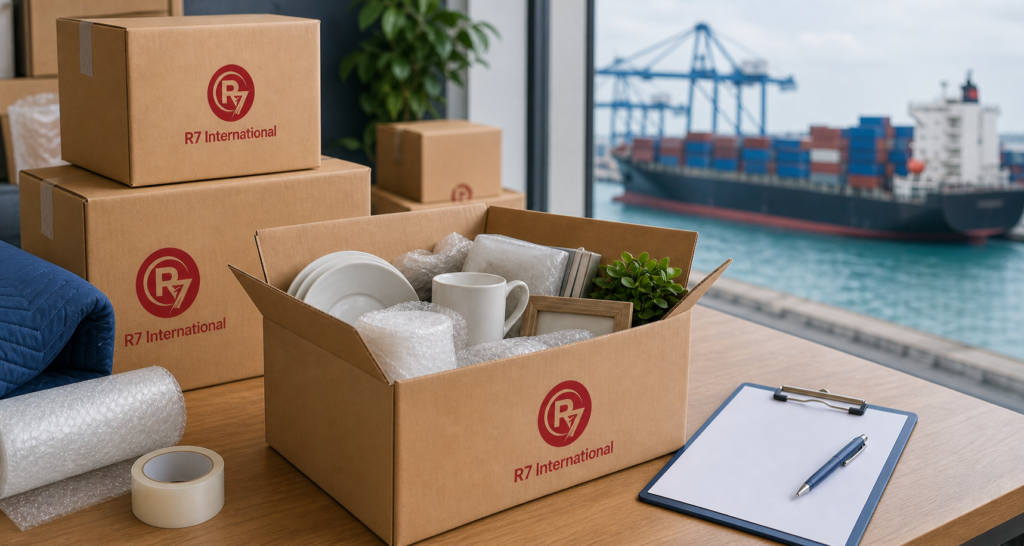
When an international move is being planned, most people think first about packing, customs and the delivery date. Insurance often comes later in the conversation. That is understandable, but household goods can spend weeks being packed, handled, loaded, transferred and transported before they reach their new home.
Marine insurance is designed to help protect goods while they are in transit. It is not a substitute for careful packing, and it does not automatically cover every type of loss or delay. The wording matters. So does the information provided when the policy is arranged.
Here is a practical overview of what to consider before your shipment leaves, whether you are moving a family home, sending personal effects for an employee relocation or coordinating a corporate move.
What does marine insurance mean for an international move?
Marine insurance is a type of transit cover that can apply while goods are being moved from one country to another. Despite the name, it is not limited to cargo travelling by sea. Depending on the policy, the journey may include packing, collection, road transport, port handling, ocean freight, transshipment, customs clearance and final delivery.
The exact start and end points of cover vary, so it is worth checking the policy before signing. Some arrangements may also include storage during the transit period, while others treat storage separately. Your moving company or insurance provider should be able to explain the scope in plain language.
Why does a shipment need separate protection?
Even a well-organised move involves more handling than an item normally experiences at home. Boxes may be moved between a residence, a warehouse, a truck, a port, a container and a destination facility. They may also be exposed to vibration, changes in temperature and humidity, or delays at a transfer point.
Most shipments arrive safely, but the possibility of loss or damage is real. Standard home contents insurance may not cover goods once they leave the property, and carrier liability is often limited by terms, exclusions and international conventions. It is important to understand what protection you already have instead of assuming that another party will cover the full replacement cost.
What may be covered?
Cover depends on the policy selected and the information declared, but a suitable transit policy may respond to physical loss or damage to insured goods during the covered journey. This can include household furniture, personal effects and other approved items packed for the move.
Some policies are arranged on an all-risks basis, subject to exclusions. Others use narrower named-perils wording or different valuation methods. There may also be separate treatment for pairs and sets, electrical items, fragile goods, vehicles, artwork or items that are especially valuable. The phrase “fully insured” is not enough on its own; ask what it means in the actual policy wording.
Common exclusions and points to check
Insurance is not a replacement for good preparation. Wear and tear, gradual deterioration, inherent defects, inadequate packing and items that were not properly declared may be excluded. A policy may also exclude certain goods altogether or apply special conditions to jewellery, cash, documents, plants, food, liquids, antiques or high-value electronics.
Delay is another important distinction. A late shipment can create real inconvenience and expense, but a transit policy may respond to physical loss or damage rather than the delay itself. Customs holds, storage charges, missed plans and changes in accommodation should be discussed separately with your moving provider and adviser.
Policy terms differ by provider and country. Treat this as a planning guide, not a substitute for reading the policy schedule, definitions and exclusions that apply to your shipment.
How is the value of a shipment assessed?
Before cover is arranged, you will usually need to provide an inventory and a value for the items being moved. Be realistic. Under-declaring values can leave a gap if an item needs to be repaired or replaced, while an unclear inventory can make a claim harder to assess.
Valuation may be based on repair, replacement, depreciated value or another method set out in the policy. Special items may require separate values or supporting documents. If you are moving artwork or collectables, our guide to moving fine art internationally explains why condition reporting and specialist handling deserve extra attention.
Prepare an accurate inventory before packing
A good inventory is useful for more than customs. It creates a shared record of what is being moved and helps identify items that need special handling or separate advice.
- List the main contents clearly, including brands, models and serial numbers where useful.
- Record realistic replacement values, especially for electronics and specialist equipment.
- Photograph existing marks or damage before packing.
- Keep receipts, appraisals or ownership records for high-value items.
- Tell the moving team about fragile, unusual or restricted goods before the survey.
For office moves, the same discipline applies to computers, servers and other equipment. R7’s office IT and server relocation guidance covers why condition records, access planning and specialist handling should be agreed early.
What happens if something is damaged?
If you notice damage at delivery, record it as soon as possible and notify the relevant party using the process in your policy. Take clear photographs of the packaging and the item, keep damaged materials where practical, and avoid discarding anything before you receive instructions.
You may be asked for the inventory, delivery documents, photographs, repair estimates, proof of value or a written account of what happened. For a larger loss, a surveyor may need to inspect the goods. Prompt reporting helps preserve evidence and gives the insurer a better chance to assess the claim fairly.
It is also sensible to keep the moving company informed. A claim is easier to manage when the shipment records, packing details and delivery notes are available in one place.
Marine insurance and employee relocation planning
For an employee relocation, insurance should be included in the planning conversation rather than left until the packing day. The employer, employee, moving provider and insurance adviser may each have a different responsibility. Agree who is arranging the cover, who approves declared values and what happens if an item is excluded.
Build this into the wider relocation timeline. Our international relocation timeline can help teams place surveys, packing, customs, transit and delivery into a workable sequence. If the move is part of a wider benefits package, also check the expected costs and possible extras with our employee relocation costs guide.
A simple pre-shipment checklist
- Confirm where the policy starts and ends.
- Check whether road, sea, storage and transshipment stages are included.
- Read the exclusions and any special conditions for valuable or fragile goods.
- Make sure the inventory and declared values are accurate.
- Ask how pairs, sets, electronics and specialist items are assessed.
- Keep photographs and supporting documents in a safe, accessible place.
- Understand the notification deadline and claims process.
How R7 can help
At R7 International, we help clients plan the practical details around an international move, from the initial survey and packing through transport, customs coordination and delivery. We can help identify where insurance questions need to be clarified and make sure the shipment information is organised for the parties involved.
If you are planning a move and would like to talk through the shipment, contact R7 International. We can help you understand the moving process and the information you should have ready before your goods leave.
Insurance terms, exclusions and claims procedures vary. Always review the specific policy documents and seek advice from the insurer or broker arranging cover for your shipment.